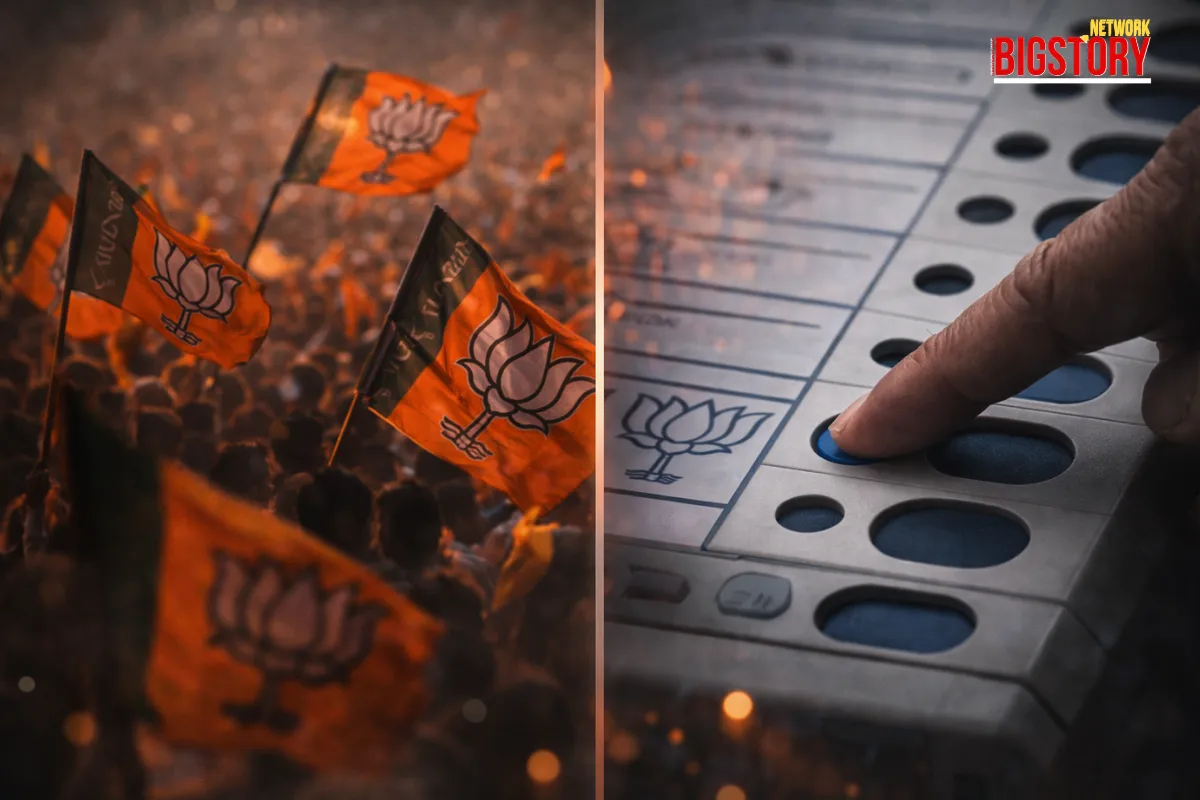
By aggressively pitching its Leader of the Opposition directly into the Chief Minister's home turf, the BJP is attempting to pin TMC heavyweights down during a drastically truncated election schedule.
 Ritika Das
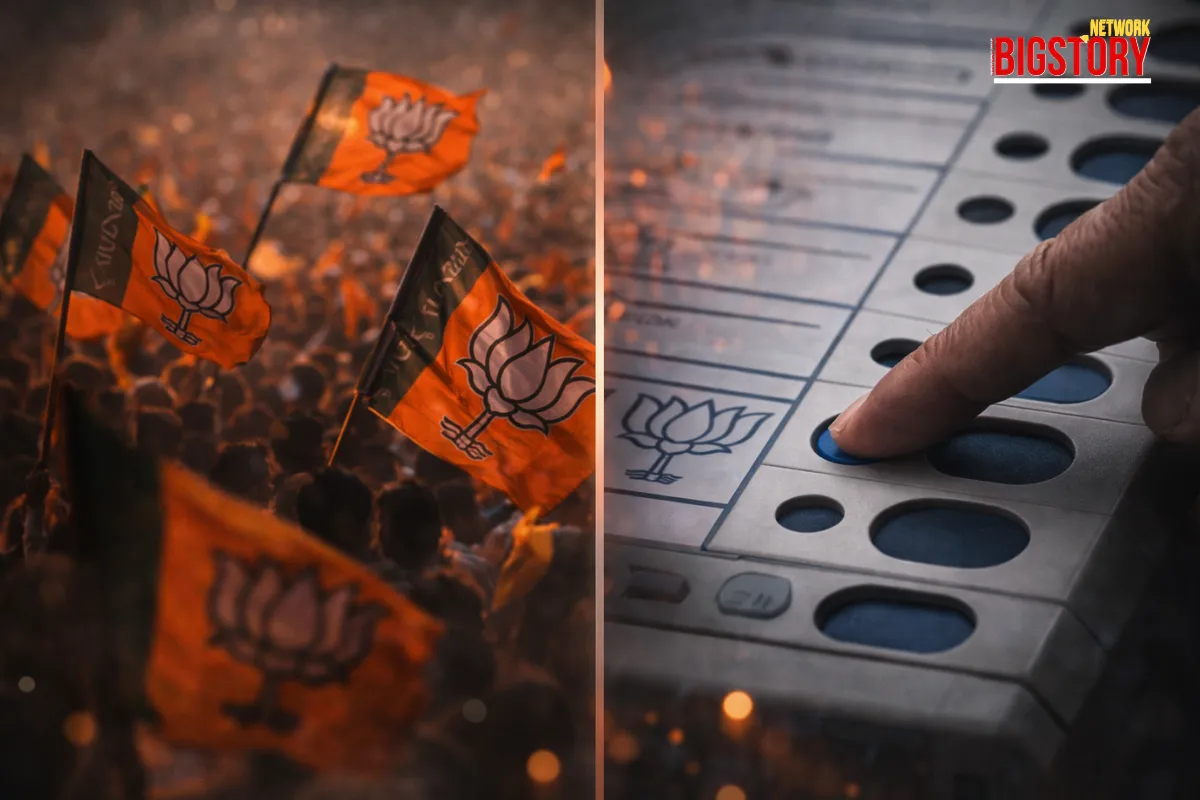
What happened: The BJP released its first list of 144 candidates for the West Bengal Assembly elections, fielding Leader of the Opposition Suvendu Adhikari from both Nandigram and Bhabanipur. Why it happened: The party is officially launching its 2026 electoral campaign following a Central Election Committee meeting and the Election Commission's announcement of the polling schedule.
The strategic play: By nominating Adhikari to contest from Mamata Banerjee's home turf of Bhabanipur, the BJP aims to aggressively challenge the TMC's top leadership directly in their strongholds.
India's stake: The 2026 West Bengal election is a critical prestige battle; the results will heavily shape the balance of power between regional heavyweights and the national ruling party.
The deciding question: How will the drastically shortened two-phase election schedule impact both parties' ability to deploy star campaigners and secure volatile polling booths?
The political battle lines for one of India's most fiercely contested states have officially been drawn. On Monday, the highly anticipated bjp candidate list west bengal 2026 was released, revealing 144 names and confirming a massive electoral escalation. The Bharatiya Janata Party (BJP) is aggressively fielding senior leader and Leader of the Opposition Suvendu Adhikari from two high-profile seats: Nandigram and, most crucially, Chief Minister Mamata Banerjee's bastion of Bhabanipur.
This direct, high-stakes challenge sets the stage for a bitter showdown in the upcoming two-phase Assembly elections. Coming just days after Prime Minister Narendra Modi sounded the poll bugle in Kolkata, the candidate list indicates that the BJP intends to mount maximum pressure on the Trinamool Congress (TMC) leadership right in their own backyards.
Suvendu Adhikari, Leader of the Opposition, West Bengal Assembly Fielded from both Nandigram—where he famously defeated Mamata Banerjee in a nail-biting 2021 contest—and Bhabanipur, Banerjee's current home turf. This double nomination signals the BJP's intent to mount a relentless, high-pressure challenge against the Chief Minister.
Dilip Ghosh, Former BJP State President The veteran leader has been confirmed as the party's candidate from the Kharagpur Sadar constituency. His placement is designed to anchor the BJP's organizational presence and consolidate votes in the crucial Paschim Medinipur district.
Election Commission of India (ECI) The constitutional authority set the operational reality of this election by truncating the state's historically prolonged multi-phase voting into a tight two-phase schedule, a decision that fundamentally alters campaign logistics for every political party operating in the state.
Mainstream media is heavily fixated on the headline-grabbing matchup of Suvendu Adhikari contesting from Bhabanipur, treating it as a blockbuster "2.0" rematch of the 2021 Nandigram battle. While the personalities are compelling, this framing misses the immense logistical crisis hiding just beneath the surface: the Two-Phase Resource Squeeze.
While the candidate names generate buzz, the real story is how these politicians will navigate the Election Commission's drastic shift from an eight-phase to a two-phase election. The BJP is explicitly fielding its heavyweights to pin TMC leaders down to their home constituencies. However, a two-phase election means that both parties can no longer micro-manage and carefully rotate their star campaigners, financial capital, and central forces across the state over a month-long period.
This truncated schedule forces a simultaneous, massive deployment of resources across Bengal on April 23 and April 29. It will rigorously test the absolute limits of the grassroots organizational strength of both the TMC and the BJP, shifting the advantage away from national star campaigners and squarely onto the shoulders of local booth workers.
If an election is compressed from eight phases to two, does it favor the party with the biggest national stars, or the party with the deepest local roots?
 Exclusive Content
Sign up for the Daily newsletter to get your biggest stories, handpicked for you each day.

 Trending Now! in last 24hrs